
People

Our lab brings together researchers and students working to improve forage production, persistence, and resilience.

Principal Investigator

Dr. Surendra Bhattarai

Dr. Surendra Bhattarai

Assistant Professor — Forage Agronomy

Department of Plant Sciences
University of Wyoming
Laramie, Wyoming

Dr. Bhattarai's research program integrates forage agronomy, crop physiology, forage breeding, and environmental stress physiology to improve the productivity, persistence, and resilience of forage crops and forage-based systems.

RESEARCH TEAM

Lab Members

Dr. Grace Bagunu Vinarao

POSTDOCTORAL RESEARCH ASSOCIATE

Dr. Grace Bagunu Vinarao

Co-supervisor: Dr. Donna Harris

Research

Forage breeding and genetics

Read More →

Dr. Vinarao's current research focuses on sainfoin improvement by evaluating diverse plant materials for forage yield, winter survival, and stand persistence to identify promising accessions for developing more productive and winter-hardy sainfoin varieties.

Click to flip back

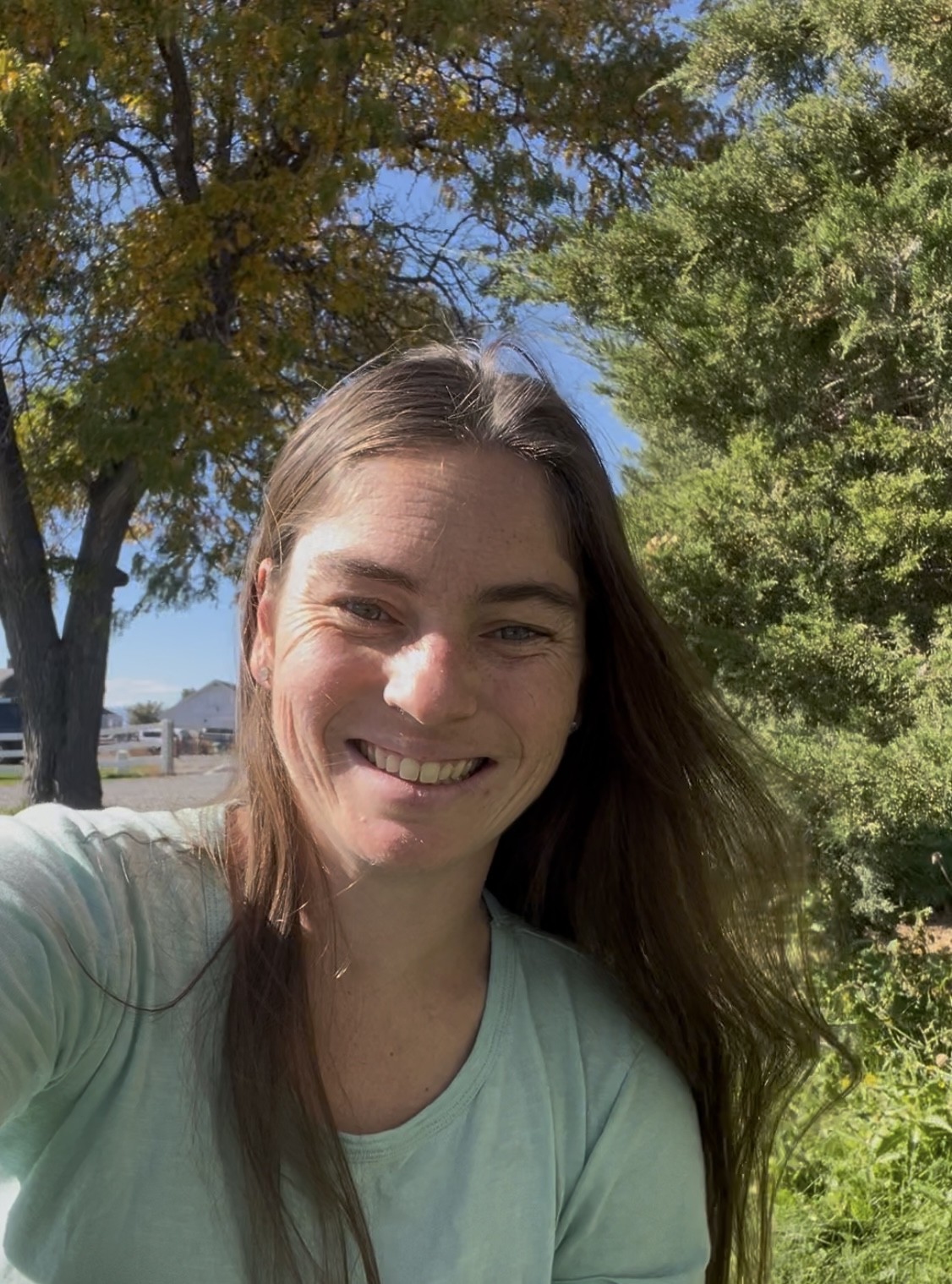
Kapil Khadka

GRADUATE STUDENT

Kapil Khadka


Research

Alfalfa physiology and management

Read More →

Kapil's research focuses on on improving forage productivity, establishment, and stress tolerance. I am evaluating the effects of phosphorus and potassium fertilization and their interactions on winter survival and forage yield of alfalfa cultivars with varying fall dormancy. Additionally, I am investigating the influence of planting density and seeding methods on forage biomass production, as well as seed priming techniques to improve germination under neutral and alkaline salt stress. Overall, my research aims to improve alfalfa productivity, persistence, and resilience through effective management practices.

Click to flip back
Heidi Pick

GRADUATE STUDENT

Heidi Pick

Co-supervisor: Dr. Andrea Garfinkel

Research

Forage seed production

Read More →

Heidi is evaluating the effects of two plant growth regulators (PGRs), trinexapac-ethyl and chlormequat chloride, and nitrogen rates on seed yield and seed quality in mountain brome (Bromus marginatus), western wheatgrass (Pascopyrum smithii), and timothy (Phleum pratense). While growers rely on nitrogen to increase seed yield, its application promotes greater vegetative growth, resulting in increased plant height and greater risk to lodging. PGRs are applied to shorten plant height and reduce lodging risk. Little is known about the interactions between these two antagonistic inputs, and this project aims to help growers maximize seed yield while maintaining seed quality.

Click to flip back